The GOP and the Left rarely mix. They’re like water and oil.
But now Republicans in Congress teamed up with Democrats to do the unthinkable.
Bipartisan Push to Catalog America’s Hidden Criminal Laws
A rare cross-aisle coalition in Congress is rallying behind legislation aimed at untangling the sprawling maze of federal criminal statutes and regulations that few Americans even know exist.
Strange Bedfellows Unite Against Over-criminalization
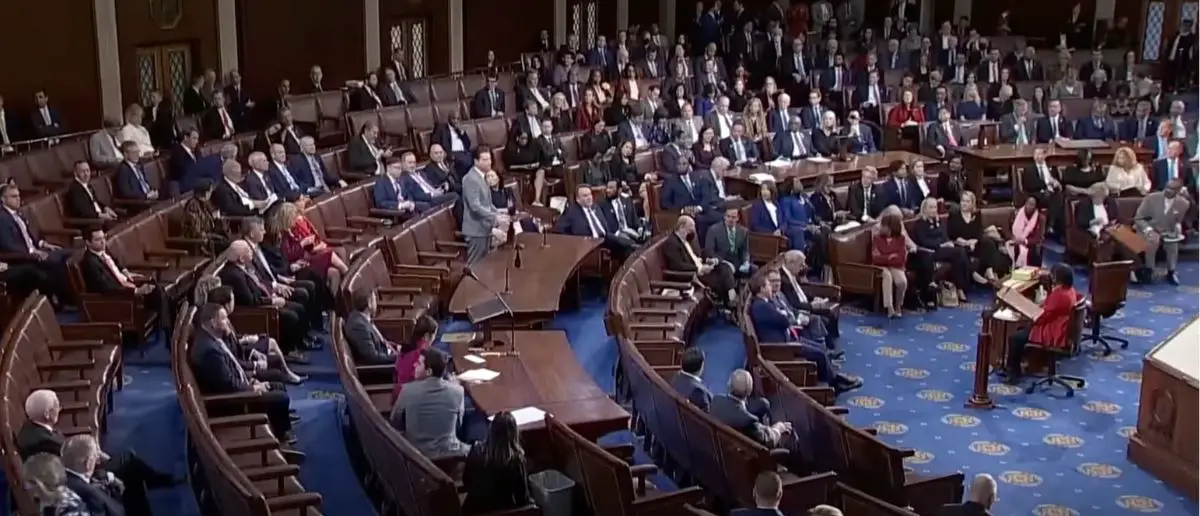
This week, the House is poised to debate a groundbreaking bill that would compel the federal government to compile a comprehensive public database of every federal crime on the books—a move sponsors believe is the critical first step toward pruning an overgrown criminal code.
Spearheading the effort is Rep. Chip Roy (R-Texas), joined by Rep. Andy Biggs (R-Arizona) from the hardline Freedom Caucus, alongside progressive Democrats Rep. Lucy McBath (D-Georgia) and Rep. Steve Cohen (D-Tennessee). In today’s polarized Capitol, seeing Freedom Caucus conservatives lock arms with criminal-justice-reform advocates is about as common as a snowstorm in July—but shared alarm over government overreach can still forge unlikely partnerships.
Lawmakers Sound the Alarm on Unknowable Crimes
“This, for me, was driven by the fact that I think we have far too many federal crimes and that the American people often don’t know what they are,” Roy told Fox News Digital. “There’s lots of different ways in which you can be criminally liable for something you don’t even know about, and that’s insane.”
Roy distinguishes core offenses—assaults, thefts, what he calls “basic, Ten Commandments–like laws”—from the thousands of obscure regulatory violations that can turn ordinary citizens into felons without warning.
“There are all sorts of regulatory things under the [Environmental Protection Agency] that frankly make criminals out of Americans by virtue of just how they engage. It might be a farmer just using their land or range or whatever. And suddenly they are a criminal,” he said.
“I mean, there’s been people who have gone to jail for violations of, essentially, what was regulations — maybe those are all extensions off of some statute way back when, but when you have a generic statute on environmental protection that then turns into a thousand different codes that if you break, you’re somehow violating law, that’s a big problem.”
Rep. Biggs earlier this year decried the absence of any official tally of these regulatory crimes: “We have a duty to protect Americans’ right to liberty, and this begins with scaling down the massive overreach in federal criminal offenses,” Biggs said.
From the Democratic side, Rep. McBath framed the measure as a safeguard for both citizens and public safety: “Americans will no longer have to fear being excessively punished, and criminal justice professionals can better protect the public.”
Beyond building the database, the bill would require the Department of Justice to disclose how many prosecutions each offense has produced over the past fifteen years—shining daylight on which dusty laws are actually weaponized.
A House vote could come as early as Monday evening, though timing remains fluid.
In an era of gridlock, Rep. Roy has proven willing to bridge the divide before; he’s currently collaborating with Democrats on separate legislation to ban members of Congress from trading individual stocks. Over-criminalization, it seems, is one more issue where the left and right can still find common ground.