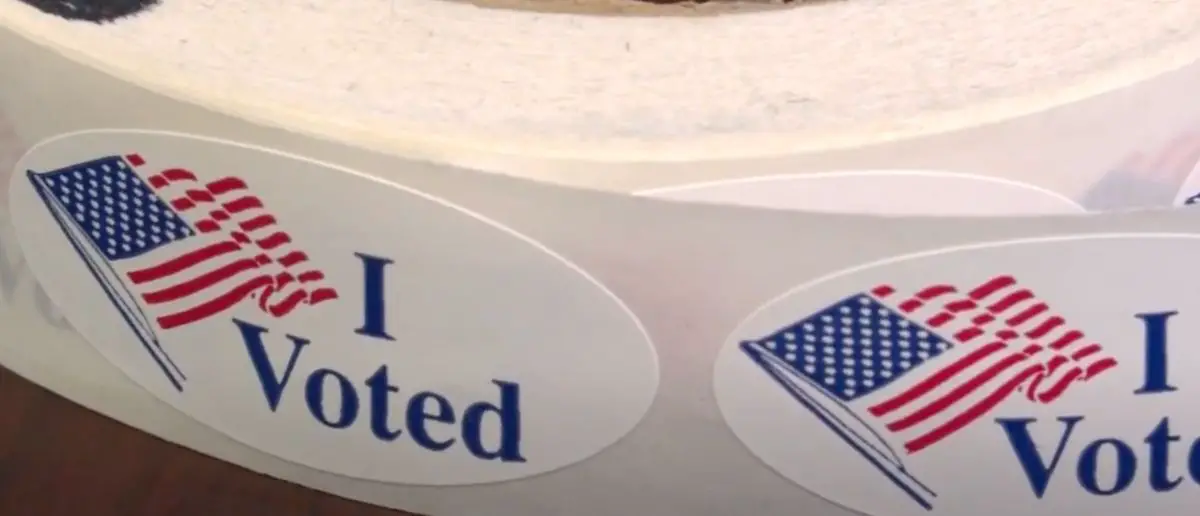
The 2026 midterms were a disaster. There’s no other way to put it.
And these midterm results will have you ripping your hair out.
Republicans entered the cycle defending narrow majorities in both chambers after Trump’s 2024 victory. By the morning of November 4, Democrats had flipped control of the House and Senate in a sweeping blue wave that reached deep into red territory.
Senate losses were historic and humiliating. Democrats took seats in Texas (James Talarico over Ken Paxton), Kansas (Adam Hamilton, the first Democrat there in 94 years), South Carolina, Iowa, North Carolina, Ohio, and Maine.Texas and Kansas had long been considered safe Republican ground.
Their flip signaled that suburban and independent voters punished the party for inflation pressures, tariff-related costs, and the ongoing Iran conflict.
House Democrats flipped more than two dozen seats and built a comfortable majority, while Republicans failed to capture a single Democratic-held House seat, Senate seat, or governorship.
Key governorships also fell, including Texas, where longtime Republican Greg Abbott lost.
Democrats secured a majority of statehouses for the first time in years.President Trump had urged voters to treat the election as if he were on the ballot. After the results, he walked that back, insisting he “wasn’t on the Ballot” and would have won “IN A LANDSLIDE” if he had been.
From a conservative perspective, this was classic midterm dynamics amplified by real economic pain. Voters often punish the White House party in the sixth year of a presidency, especially when prices and foreign commitments dominate the news.The scale of the losses—99 percent of counted counties shifting against Republicans—showed the coalition that delivered 2024 was not automatic.
Handpicked MAGA candidates in South Carolina, Texas, and elsewhere underperformed. Party strategists now face hard questions about candidate quality and message discipline.
Media coverage framed the night as a total rejection of Trumpism.
Conservatives counter that it was more a protest against short-term costs than a permanent realignment of the American electorate.
Rural and working-class voters who backed Trump in 2024 did not fully abandon the GOP, but enough shifted or stayed home to produce the wave.
Democrats now control the legislative agenda and will press investigations and spending priorities. Expect gridlock, vetoes, and two years of institutional combat.
The conservative movement retains its core strengths: energy policy, border enforcement, and cultural pushback against progressive excesses. Those issues did not vanish overnight.State-level redistricting and legislative chambers remain contested battlegrounds. Several Republican strongholds held firm despite the national tide.
Looking ahead to 2028, the results underscore the need for clearer economic messaging and broader appeal beyond the base.
A party that loses Kansas and Texas statewide cannot afford complacency.
This was a setback, not a permanent defeat.
American politics remains cyclical, and the same voters who delivered this wave can reverse course when the stakes feel higher.
Republicans must now regroup, refine their governing record, and prepare for the next national test without the structural advantages they held after 2024.