NBC likes to play cover for Democrats. But Republicans aren’t sitting back and taking it any longer.
Because a top Trump official went on NBC and started throwing punches.
Clash Over Iranian Oil Sanctions
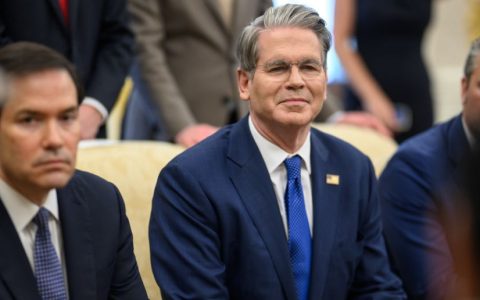
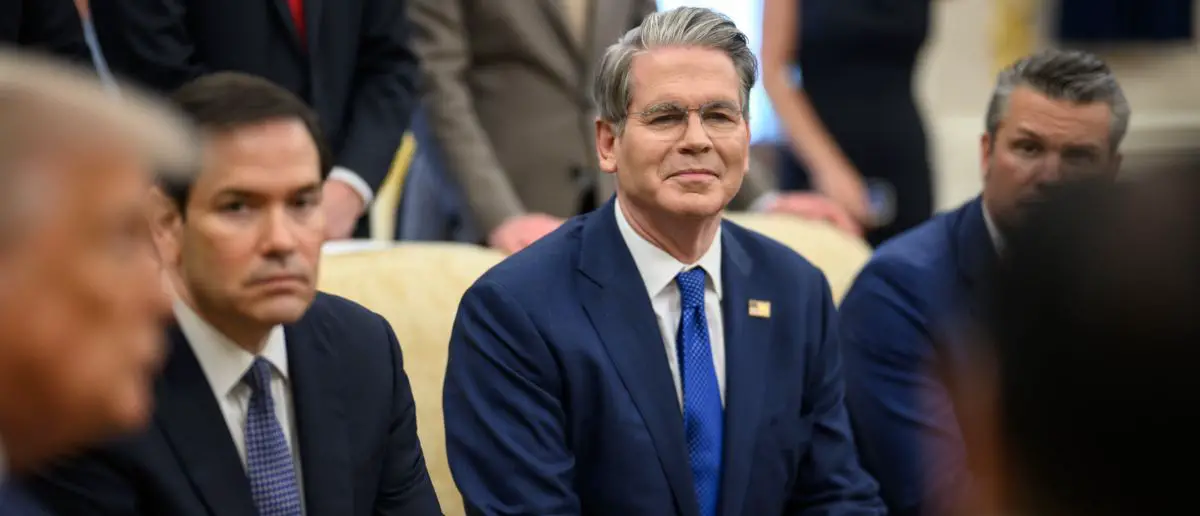
During a heated segment on NBC’s Meet the Press, Treasury Secretary Scott Bessent pushed back strongly against host Kristen Welker’s line of questioning regarding the U.S. decision to lift sanctions on Iranian oil stored on tankers. Welker highlighted that the move could provide Iran with over $14 billion in revenue amid ongoing conflict.
Bessent countered by stressing the broader market dynamics:
“Kristen, why don’t we have good facts here? That Iranian oil was always going to be sold to the Chinese. It was going to be sold at a discount. So, which is better, Kristen? Which is better if oil prices spiked to $150, and they were getting 70% of that, or oil prices below $100? It’s better to have them where they are now. And to be clear, we had always planned for this contingency. About 140 million barrels are out on the water. In essence, we are jiu-jitsu-ing the Iranians.”
Critique of Media Framing and Supply Realities
Bessent directly called out what he viewed as flawed presentation of the issue, repeatedly dismissing aspects of the inquiry. When pressed on the practical effects of the 140 million barrels on global prices, he responded: “Kristen, terrible framing. Terrible framing.”
He elaborated on the supply context to illustrate why the market remained stable: “One hundred and forty million barrels, about 20 million barrels a day, come out of the Gulf. About 5 million has been repurposed by the Saudis, by the UAE. So we’re at a 15 deficit. About one-point-five is Iranian oil that comes out. So we are at between a 10 and 14 million deficit on a daily basis. So, if you think about 140 million barrels, that’s between 10 days and two weeks of supply.”
He further attributed U.S. price stability below $100 for West Texas Intermediate to multiple factors:
“And one of the reasons that prices in the U.S. of West Texas intermediate are below $100 — and we have not seen this massive spike as we did during the beginning of Russia-Ukraine — is because we are well supplied in the market. Whether it is the Russian oil, whether it is the Iranian oil, or it is the largest SPR release in history done by a coalition of 32 countries, 400 million barrels.”
Response to Claims on Russia and Broader Policy
The discussion also touched on Russia, with Welker suggesting the administration was effectively rewarding Moscow by easing certain sanctions. Bessent rejected this perspective:
“Again, Kristen, you’re missing the point. Which is better? Does Russia get more money if oil goes to 150, and they get 70% of that, that’s 105, or if oil stays below 100? So they’re getting less money. Our analysis shows that the maximum extra amount the Russia could get would be $2 billion, which is one day of the Russian Federation’s budget.”
He added pointedly on prior flows: “I don’t know who does your research, you should get rid of them because they were getting it. It was going into China. China was buying over 90% of the Russian oil.”
The exchange underscored ongoing debates about U.S. strategy in managing energy markets and sanctions amid geopolitical tensions, including disruptions in the Strait of Hormuz affecting a significant portion of global crude supply.