The war with Iran is dragging on. And Americans are hurting.
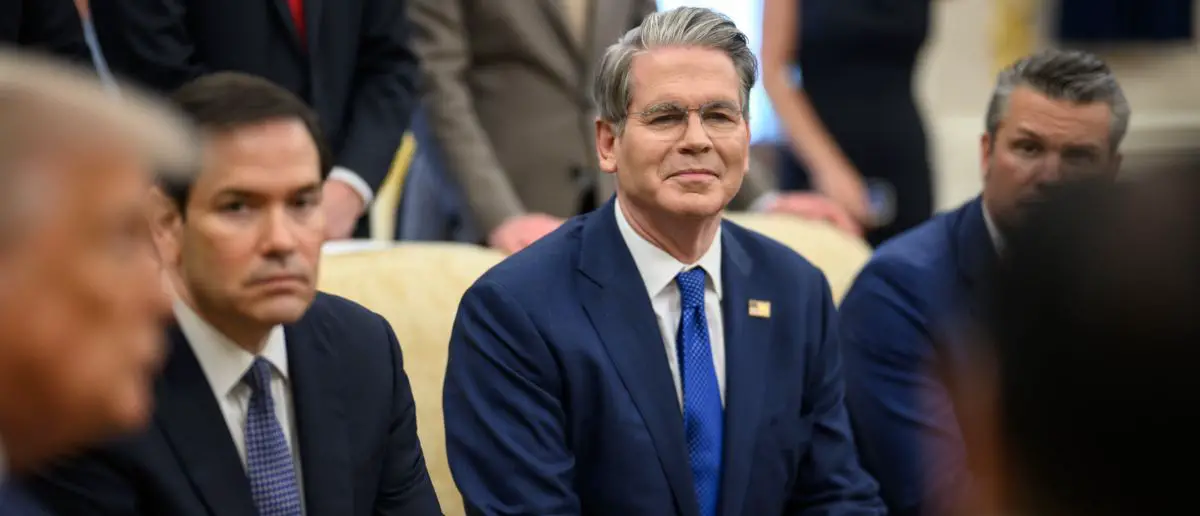
Now Treasury Secretary Scott Bessent exposed what could fix oil prices overnight.
Encouraging Signs in Oil Shipping Routes
Treasury Secretary Scott Bessent highlighted a steady rise in vessel traffic through the Strait of Hormuz as a key development that could help ease mounting pressure on global oil prices.
Amid tensions in the region following the U.S.-Israel conflict with Iran, he pointed to this increasing flow of tankers as a practical step toward restoring balance in energy markets, with more ships navigating the vital passage each day.
Tackling the Current Supply Shortfall
Bessent directly addressed the ongoing gap in global oil availability, noting coordinated efforts to offset disruptions.
“The market is in deficit [by] about 10 to 12 million barrels a day, and we’re making up for that deficit.”
He emphasized contributions from a significant drawdown of the Strategic Petroleum Reserve—part of a larger international initiative—as well as the un-sanctioning of existing Russian and Iranian crude already at sea, without providing additional revenue to those regimes.
“So the market is well-supplied, and we are seeing more and more ships go through on a daily basis as individual countries cut deals with the Iranian regime, for the time being.”
He added that “Any supply is helpful, and we want to get back to normal,” underscoring the administration’s focus on boosting physical crude supplies rather than intervening in futures markets.
Building Toward Secure and Reliable Navigation
Looking to the future, Bessent outlined a strategy for restoring stability and American influence over critical maritime routes.
“Over time, the U.S. is going to retake control of the straits, and there will be freedom of navigation, whether it is through U.S. escorts or a multinational escort.”
He described how temporary arrangements are already facilitating higher daily transits through the Strait of Hormuz, which carries roughly one-fifth of the world’s petroleum, while stressing the importance of maintaining open lanes to support global energy security in the long term.