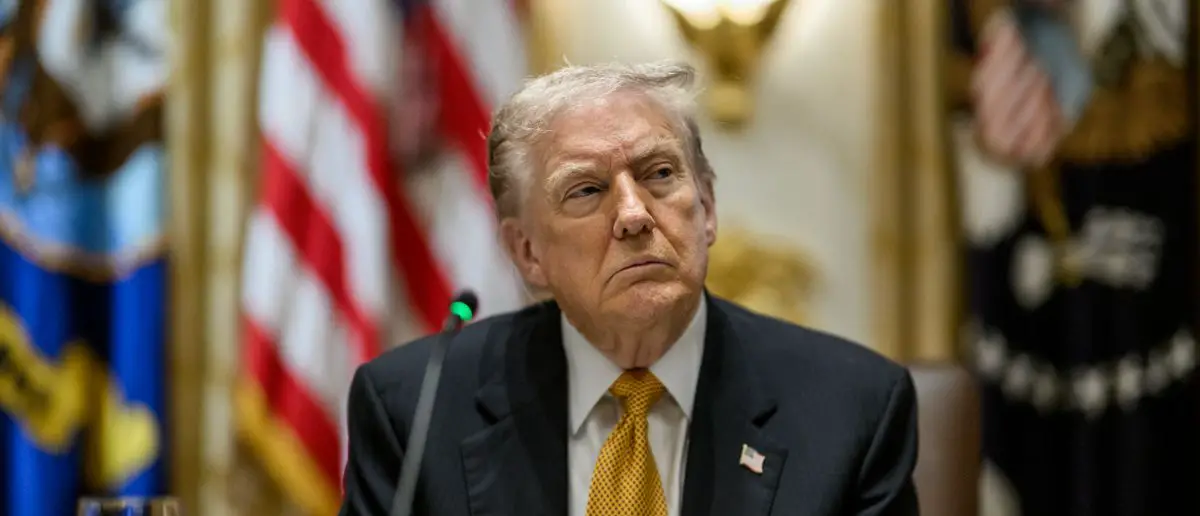
The president is at a crossroads. He needs to figure things out.
And Trump is at a crucial decision point after the midterms.
President Donald Trump faces a narrowed set of choices on Iran in the days after the 2026 midterm elections. The conflict that began with joint U.S.-Israeli strikes in late February has stretched for more than eight months. What started as a campaign aimed at degrading Iran’s nuclear and missile capabilities has settled into a grinding stalemate of limited strikes, economic pressure, and intermittent diplomacy.
The Pentagon has prepared multiple options for a renewed major operation. These plans, discussed at senior levels including with Vice President JD Vance, center on short, intensive campaigns lasting roughly three days. Potential targets include Iran’s rebuilt missile and drone forces, energy infrastructure, military command nodes, and remaining nuclear-related sites such as the underground facility known as Pickaxe Mountain. U.S. forces in the region, including multiple aircraft carrier strike groups, are positioned to execute on relatively short notice if ordered.
Trump has publicly emphasized that he is in no hurry. In recent interviews he has described Iran as financially exhausted, short of fuel, and under growing domestic pressure. He has claimed that the bulk of Iran’s nuclear program and military capacity has already been heavily damaged, leaving only limited remaining targets that could be addressed quickly if necessary. At the same time, he has left the door open to further action while noting that negotiations continue through intermediaries, particularly Qatar.
Inside the administration, views are split. Some advisers push for a decisive round of strikes to force a settlement or further weaken the regime. Others, including voices close to the vice president, favor pressing the economic advantage and seeking a negotiated off-ramp. Trump has repeatedly rejected earlier proposed major operations, opting instead for calibrated responses to Iranian actions while maintaining a naval presence that has constrained shipping through the Strait of Hormuz.
The midterm results change the political equation. With Democrats now controlling both chambers of Congress, Trump’s freedom of action will face greater scrutiny and potential legislative constraints once the new Congress is seated. The window for large-scale unilateral military moves is therefore shorter than it was before the election. Limited strikes remain possible, but a broader campaign carries higher domestic political costs.
Iran, for its part, has signaled willingness to negotiate while preparing retaliatory options and insisting on conditions that include relief from sanctions and an end to the naval blockade. Mediators continue to shuttle proposals, yet the two sides remain far apart on core issues, particularly the nuclear program and the future of regional proxy forces.
The practical reality is that Trump retains the ability to order significant military action in the near term. Whether he does so depends on whether he judges that diplomacy can deliver an acceptable outcome or that further force is required to lock in gains already made. The administration is simultaneously preparing for both paths. Oil markets, Gulf allies, and American voters are watching which one he chooses.