America and Israel are close allies. But cracks may be starting to show.
And now Donald Trump released a huge secret about Benjamin Netanyahu.
Netanyahu’s Efforts and Trump’s Initial Reluctance
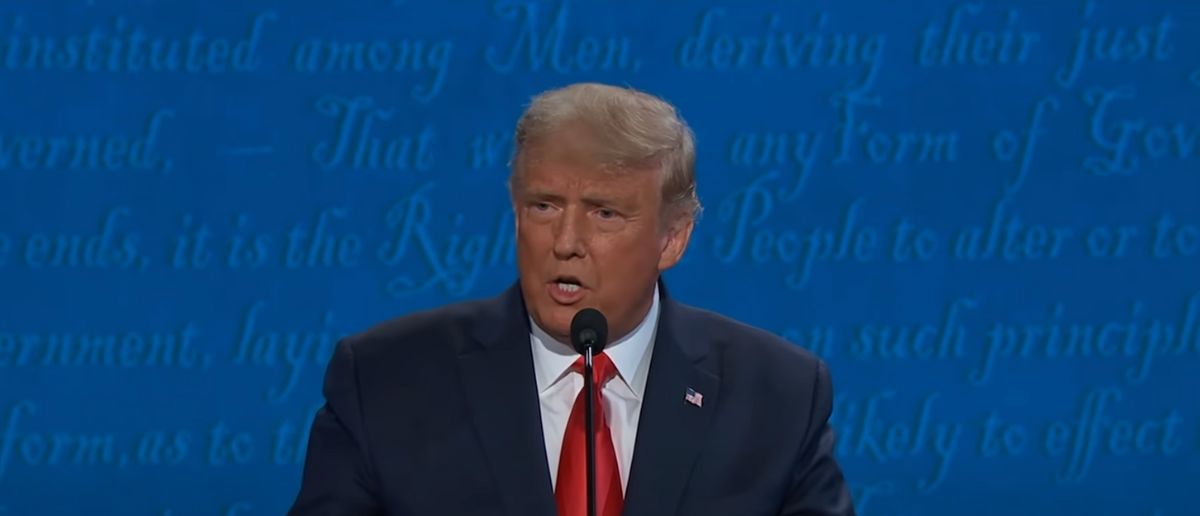
President Donald Trump has revealed new details about Israeli Prime Minister Benjamin Netanyahu’s attempts to persuade him to k*ll the Iran nuclear deal forged during Barack Obama’s presidency.
Trump explained, “Netanyahu tried to convince me, and I liked him very much, but I said, ‘No, thank you.’” Initially, Trump was hesitant to act, preferring to give the arrangement some time, even as Netanyahu was persistent in his appeals.
According to Trump, Netanyahu’s concerns were urgent and ongoing. “He was begging me. He was begging me to terminate it,” Trump recounted. Despite his respect for the Israeli leader, Trump chose not to immediately revoke the deal, instead opting to observe its effects on regional stability and Iran’s nuclear ambitions.
The Decision to Withdraw and ‘Finish the Job’
With time, Trump became increasingly critical of the Joint Comprehensive Plan of Action (JCPOA), which he described as “weak and ineffective.”
Seeing the deal’s flaws, he ultimately decided to withdraw the United States from the agreement in 2018, a move he described as “finishing the job” that Netanyahu had urged him to begin.
Reflecting on his administration’s approach, Trump emphasized the “maximum pressure” campaign applied to Iran, which included renewed sanctions and efforts to diplomatically isolate the country.
“We did a great job with Iran. I don’t think they’re ever going to have nuclear weapons, and if I were president, they wouldn’t come close,” Trump insisted, highlighting his belief that his strategy was more effective than the Obama-era deal.
Implications for U.S. Policy and Ongoing Debate
Netanyahu has consistently argued that the Iran deal would eventually enable Tehran to acquire nuclear weapons, aligning with Trump’s subsequent decision to leave the JCPOA. The story of Netanyahu’s efforts and Trump’s ultimate action comes as debates continue in both Washington and Jerusalem over whether to revive or replace the agreement.
These remarks by Trump have reignited discussions among policymakers, diplomats, and the public regarding the best approach to Iran’s nuclear program.
As future administrations weigh their options, the legacy of the JCPOA and the decisions that followed remain central to the ongoing debate about security, diplomacy, and the prospects for peace in the Middle East.