The time for play is over. Now is the time for action.
Because Trump unveiled plans to completely flatten Iran.
The Ceasefire Is Over. The War Is Back On.
The June MOU is effectively dead. The interim ceasefire that Trump announced is no longer in force. The U.S. naval blockade of Iranian ports — lifted in mid-June when the agreement was signed — was reimposed Tuesday afternoon at 4 p.m. The fourth consecutive night of American strikes on Iranian targets has been carried out. And in a Fox News interview Tuesday, the president delivered the most explicit escalation threat of the entire conflict.
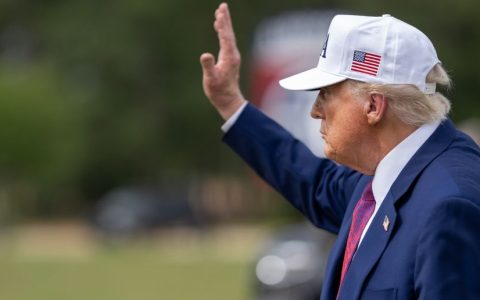
“We’re going to hit them very hard tonight. We’re going to hit them very hard tomorrow night. We’re going to hit them very hard the night after,” Trump said. “And then next week it gets really bad for them because next week comes the power plants. Next week comes the bridges. We’re going to knock out all their power plants. We’re going to knock out all their bridges unless they get to the table and negotiate.”
He added: “I’ll save the energy targets for last, but ultimately we’ll hit energy targets.”
Trump also told reporters that American military strikes “will continue until I say it’s enough,” that Iran “has some fight left but they don’t have much,” and that “everything they say is a lie.” He assessed that Iran’s military capacity has been degraded to the point where, if necessary, “we have other people that will do the ground campaign for us.”
Iran’s Deputy Foreign Minister Kazem Gharibabadi declared Tuesday that Tehran now has “no obligations” under the Islamabad memorandum, citing continued Israeli strikes against Hezbollah in Lebanon and the American resumption of the naval blockade as justification for Iran walking away from the agreement entirely.
How The MOU Collapsed — And What Happened Between June And Now
The June 16 Islamabad memorandum set a 60-day clock for negotiations on Iran’s nuclear program. The Trump administration’s position: Iran must permanently relinquish enrichment capacity. Iran’s position: enrichment is a non-negotiable sovereign right. That fundamental incompatibility was present when the ink dried. What accelerated the timeline to collapse was Iran’s renewed interference with commercial shipping in the Strait of Hormuz.
The sequence of escalation: Iran’s IRGC closed the Strait on July 12, firing a warning shot at a vessel attempting to use an unauthorized route. The U.S. military confirmed hitting approximately 90 military targets in a single round of strikes on July 9. Tehran struck U.S. military assets in Jordan. CENTCOM reimposed the blockade. Iran struck Kish Island in the Gulf. The MOU, in Iran’s own characterization, no longer exists.
Trump’s pivot on the Strait of Hormuz fee added one more twist to an already complex picture. He announced Tuesday that he is stepping back from the proposed 20% cargo fee on ships transiting the strait, replacing the measure with what he called “Trade and Investment Deals that the various Gulf States will be making into the United States.” Energy Secretary Chris Wright told CNBC: “The key thing for energy flows out of the Arabian Gulf is the U.S. military.” Oil, he said, is “flowing like never before” thanks to American military presence.
What “Next Week” Actually Means
The power plant and bridge threat is consistent with a Trump negotiating pattern documented across three months of conflict: explicit, deadline-bound escalation threats used as leverage, with military action that follows when those threats are not met. In April, Trump said he was “an hour away” from ordering a massive new attack before pulling back when talks showed movement. On April 7, he threatened to bomb bridges and power plants if Iran didn’t negotiate — Tehran returned to talks.
This time the stakes are materially higher. Iran’s military is significantly more degraded than in April. The MOU no longer exists. The blockade is back in place. And the president has told the American public, on record, what comes next week.
Trump also told reporters he is considering adding Iran and Hezbollah to the bipartisan Russia sanctions bill that the late Sen. Lindsey Graham had championed — saying he was considering it “in honor of Lindsey.” The sanctions infrastructure, the military pressure, and the explicit threat timeline all point in the same direction. The president said he is “fed up with being played” by Iran. Tuesday suggested he means it.